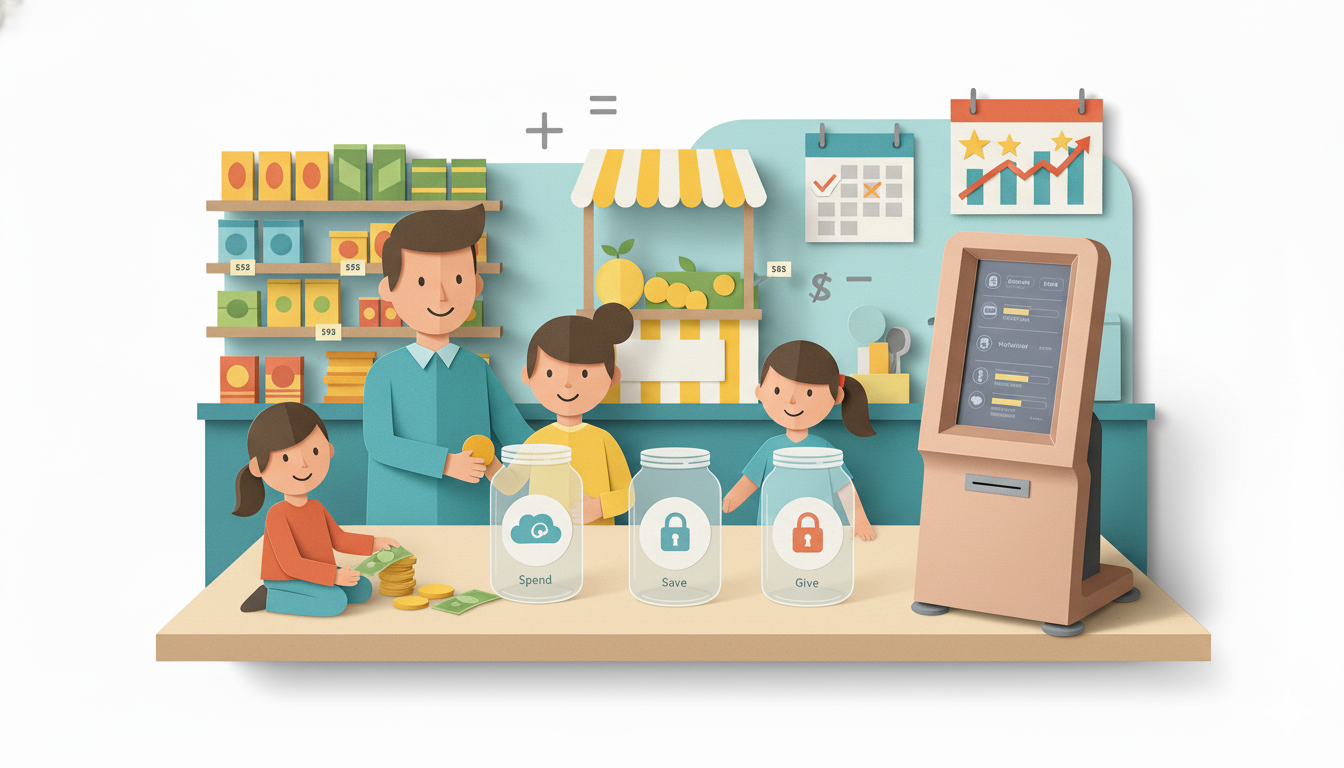
Why Financial Literacy Matters for Kids
Teaching kids about money isn't just about allowances and piggy banks anymore. In today's digital economy, financial literacy is as essential as reading and writing. Studies show that children who learn money management skills early are more likely to make sound financial decisions as adults.
The truth is, most adults struggle with personal finance because they were never taught these skills as children. By starting early, you can give your kids a tremendous advantage in life.
When to Start Teaching Money Concepts
Ages 3-5: Foundation Years
At this age, kids can learn basic concepts:
- Identifying coins and bills
- Understanding that money is used to buy things
- Simple counting and sorting activities
- The concept of "mine" vs "not mine"
Ages 6-10: Building Skills
This is the perfect time to introduce:
- Allowances - whether earned or given regularly
- Saving for goals - short-term items they want
- Basic budgeting - dividing money into spend/save/give
- Needs vs wants - critical thinking about purchases
Ages 11-14: Advanced Concepts
Pre-teens can handle more complex ideas:
- Compound interest and how savings grow
- Comparison shopping and finding deals
- Opportunity cost - choosing between options
- Introduction to investing concepts
The Three-Jar Method (Updated for Digital Age)
The classic three-jar system has stood the test of time, but we can modernize it:
1. Spend Jar (50%)
Money they can use right away for small purchases. This teaches immediate gratification control.
2. Save Jar (40%)
For bigger goals like toys, games, or special activities. This builds patience and goal-setting skills.
3. Give Jar (10%)
For charity, gifts, or helping others. This develops empathy and social responsibility.
Modern Twist: Use a digital allowance app like VaultQuest to track these categories virtually. Kids see their balances grow in real-time and learn to navigate digital money safely.
Real-World Money Experiences
Grocery Store Math
Bring your kids shopping and:
- Compare unit prices together
- Look for sales and calculate discounts
- Give them a budget for choosing snacks
- Discuss why you choose certain brands
The Lemonade Stand Experience
Nothing teaches entrepreneurship like running a small business:
- Calculate startup costs (supplies)
- Set pricing strategy
- Track sales and expenses
- Count profits at the end
Family Financial Meetings
Include kids in age-appropriate money discussions:
- Planning for vacations (budgeting)
- Discussing utility bills (resource management)
- Comparing phone plans (value shopping)
- Charitable giving decisions
Common Mistakes Parents Make
❌ Mistake #1: Rescuing Too Quickly
When kids make poor spending choices, let them experience the natural consequences. Running out of money before the next allowance teaches valuable lessons.
❌ Mistake #2: Paying for Everything
If kids never have to make choices with limited resources, they won't learn budgeting skills.
❌ Mistake #3: Avoiding Money Conversations
Money shouldn't be taboo. Age-appropriate transparency helps kids understand family finances.
❌ Mistake #4: Not Modeling Good Behavior
Kids watch everything you do. If you're impulse shopping or avoiding bills, they'll pick up those habits.
Tools and Resources
Digital Allowance Apps
Modern tools like VaultQuest combine traditional allowance systems with engaging digital interfaces:
- Track multiple savings goals
- Automated weekly/monthly allowances
- Visual progress toward goals
- Safe environment to learn digital money
Books for Kids
- The Berenstain Bears' Trouble with Money (Ages 4-8)
- Rock, Brock, and the Savings Shock (Ages 6-10)
- The Everything Kids' Money Book (Ages 9-12)
Games That Teach Finance
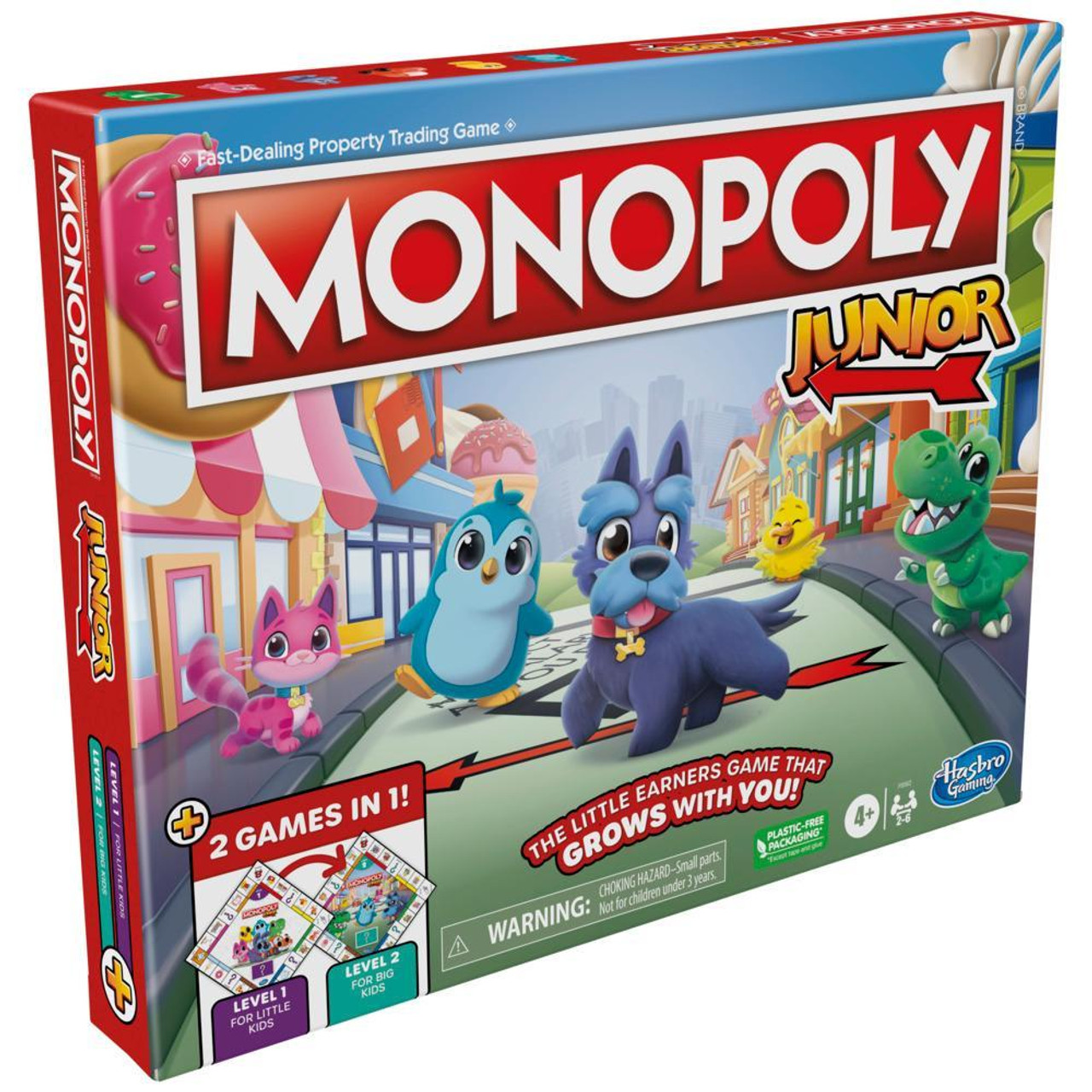
- Monopoly Junior - buying, trading, managing money
- Payday - bills, expenses, and budgeting
- The Game of Life - long-term financial planning
Setting Up a Successful Allowance System
Should Allowances Be Earned or Given?
There's no one right answer, but here are two proven approaches:
Unconditional Allowance
- Given regularly regardless of chores
- Teaches money management as a separate skill
- Chores are done as family contribution
- Benefit: Kids learn to manage money without tying it to work
Earned Allowance
- Payment for completing tasks
- Teaches work-reward relationship
- Can include bonus opportunities
- Benefit: Mimics real-world employment
Our Recommendation: A hybrid approach works best:
- Base allowance for being part of the family
- Extra earning opportunities for additional tasks
- Expected chores done without payment (teamwork)
Creating Smart Savers
The 24-Hour Rule
Before any non-essential purchase, require a 24-hour waiting period. This simple rule prevents impulse buying and gives kids time to evaluate if they really want something.
Matching Programs
Consider matching your child's savings dollar-for-dollar (up to a limit) for specific goals. This teaches the power of:
- Delayed gratification
- "Free money" from matching (like employer 401k)
- Accelerated goal achievement
Visual Progress Tracking
Kids are motivated by seeing progress. Whether it's:
- Thermometer charts on the wall
- Digital progress bars in an app
- Sticker charts for younger kids
Visual feedback makes abstract concepts concrete.
Preparing for Teenage Years
Opening Their First Bank Account
Around age 12-13, consider:
- A savings account in their name
- Teaching how interest works
- Reviewing statements together
- Online banking basics (with supervision)
Debit Cards and Spending Limits
When ready (usually 13+):
- Start with prepaid debit cards
- Set spending limits
- Review transactions weekly
- Discuss online security
Small Steps, Big Impact
You don't need to be a financial expert to teach your kids about money. Start small, be consistent, and use everyday moments as teaching opportunities.
Remember: The goal isn't perfection - it's progress. Every conversation about money, every choice they make with their allowance, every goal they save for builds crucial financial muscles they'll use for life.
The financial habits your kids develop now will shape their relationship with money for decades to come. Start today, and watch them grow into confident, financially savvy adults.
Ready to make financial education easy and fun? VaultQuest's digital allowance platform helps kids learn money management through an engaging, parent-controlled virtual banking system. Start your free trial today.
Ready to Start Teaching Financial Literacy?
VaultQuest makes it easy to teach kids about money management with virtual allowances, saving goals, and a fun retro ATM interface.
Get Started Free